Which Drug Is Most Addictive: Experts Explain Risks and Costs
Individuals, families, and communities frequently ask the same question. Which of the drugs is more addictive? The answer is not always easy. Dependence is based on the way a drug affects your brain, as well as how fast it develops dependence and how difficult it is to stop taking the drug once it has been started.
We at Pacific View Detox know that most people are looking for accurate, truthful facts. They are looking for facts, not anxiety. They want to understand why certain medications take over so quickly and how the dangers extend beyond physical health. This blog was created solely for this purpose. It is strictly informative and based on the views of experts, reliable data, and actual patterns observed worldwide.
This blog will discuss what experts have to say regarding the most addictive substance in the world, the extent to which addiction risk is comparable to other substances, and the severe mental, social, financial, and cost of addiction.
What Does “Most Addictive Drug” Really Mean?
Before naming any substance, it is essential to know what addiction is.
Addiction is a term used by experts to describe a situation that causes the brain to develop dependence on a substance. The dependency affects behavior, judgment, and self-control. People feel intense cravings and keep using the drug even if it can cause harm.
A most addictive drug is typically one that
- The brain is quickly receptive to it.
- It brings intense joy or relief
- Brain chemistry changes over time
- This can trigger severe withdrawal symptoms.
- This can cause a strong desire.
The quicker a substance affects the brain’s activity, the greater the chance of addiction.
Which Drug Is Considered the Most Addictive by Experts?
Heroin and Fentanyl Lead Most Expert Lists
According to addiction experts, opioids, including heroin and fentanyl, are frequently classified as one of the most addictive drugs.
Here’s why experts agree:
- They directly bind to opioid receptors located in the brain
- They produce intense feelings of pleasure and relief from pain.
- Tolerance builds quickly, requiring higher doses
- The withdrawal symptoms are intense and painful
Fentanyl is regarded as more hazardous than heroin. It can be up to 50 times more potent. Even a tiny amount of it can lead to an overdose.
Expert Data on Opioid Addiction
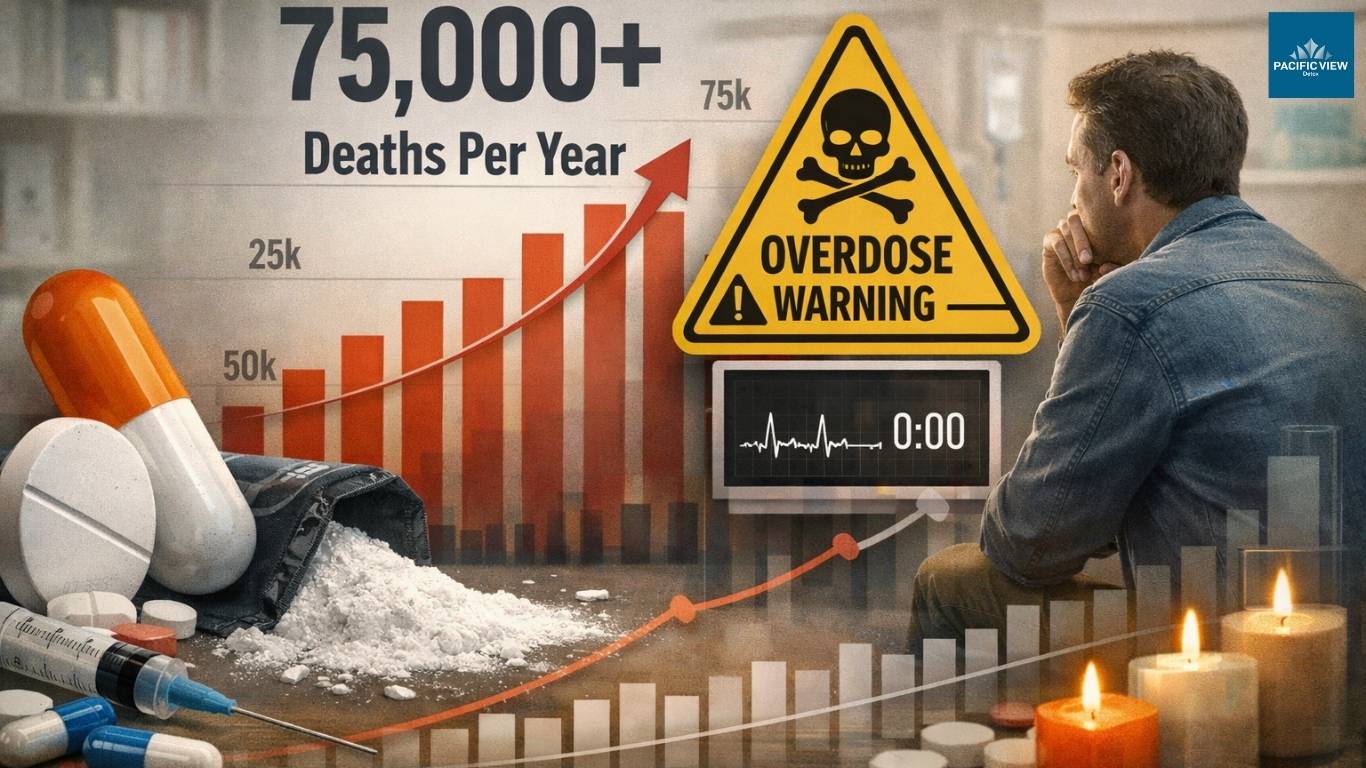
The evidence-based research shows the magnitude of addiction to opioids:
- The U.S. Centers for Disease Control and Prevention is reporting more than 75,000 deaths from opioid-related overdoses each year.
- Synthetic opioids such as fentanyl are the leading cause of these deaths.
- A lot of people become dependent in just a few weeks, not over a period of years.
These numbers show the reason why opioids are often referred to as the most addictive drug by doctors.
How Addiction Changes the Brain
Addictive drugs sabotage the reward system in the brain.
The brain is flooded with dopamine. It is a neurochemical that is linked to motivation and pleasure. Over time, the brain stops producing dopamine on its own. This person will then require the medication to be normal.
This brain shift explains the reason addiction isn’t a matter of an inability to resist. It’s a medical problem.
Comparing the Addiction Potential of Major Substances
Different drugs do not affect the brain in the same way. Here is a list of comparisons that is based on research conducted by experts.
1. Opioids (Heroin, Fentanyl, Morphine)
- Potential for addiction at the highest level
- The withdrawal symptoms are severe.
- High risk of overdose
- Rapid physical dependence
Experts have consistently rated opioids as one of the most addictive classes of drugs.
2. Nicotine
Nicotine often surprises people.
- Legal and widely accessible
- Highly addicting
- The cravings are intense.
- A difficult withdrawal
Many experts rate nicotine as addictive as heroin in terms of dependence on the brain.
3. Cocaine
Cocaine is a potent, but only for a short time.
- Intense euphoria
- Strong psychological addiction
- Binge use common
- Relapse rates are high.
Although not all of the time physically addictive, the chemical firmly alters the way we behave.
4. Methamphetamine
Meth is extremely risky.
- Long-lasting brain damage
- Potential for addiction to alcohol.
- Dire mental health effects
- Rapid tolerance
Experts usually rank meth just above heroin as the most addictive drug.
5. Alcohol
It is legal, but it can be dangerous.
- Physical dependence develops over time
- A withdrawal can pose a life-threatening risk
- Social acceptance of high levels increases the risk
Alcohol addiction is a significant cause of harm across the globe.
Key Health Risks of the Most Addictive Drug

The effects of addiction affect every system in the body.
Physical Health Risks
Common health risks include:
- Heart damage
- Liver disease
- Lung infections
- A weak immune system
- Risk of overdose
In the presence of opioids, breathing could slow down or cease altogether.
Mental Health Risks of Addiction
Mental health and addiction are tightly connected.
Many sufferers experience:
- Depression
- Anxiety
- The mood swings
- Memory loss
- Suicide risk increases
Drug abuse can cause a worsening of existing mental health problems or cause new ones.
Social Risks That Families Often Overlook
The effects of addiction are not limited to one individual.
Social risks are:
- Broken trust
- Conflicts in relationships
- Social isolation
- Legal troubles
- Loss of contact with the family or custody
Families are often confused and unsure when these changes begin to manifest.
Financial Costs of Drug Addiction
The financial impact can be catastrophic.
Addiction can cause:
- Job loss
- Medical bills
- Legal costs
- Debt
- Housing loss
The cost of addiction over the long term can be as high as tens of thousands of dollars each year.
Why Some Drugs Hook People Faster Than Others
Many factors increase the risk of becoming addicted:
- Drug strength
- The speed at which the effect takes effect
- Method of use
- Genetics
- Health history of the mind
Smoked or injected drugs can affect the brain more quickly, which increases the likelihood of addiction.
Early Warning Signs of Severe Drug Addiction
Families must be alert for:
- Rapid changes in tolerance
- Symptoms of withdrawal
- Secretive behaviors
- Financial problems
- Health decline
These signs typically show up in the early stages of most addicted drugs kinds of drug addiction.
Understand & Overcome Drug Addiction Now
Get clear, expert guidance on addiction risks and recovery options. Pacific View Detox helps you take the first step toward a safer, healthier life.
The Role of Education in Prevention
Knowing the science behind addiction can help decrease stigma.
When they are aware of how certain drugs affect their brains, they will be more inclined to ask for assistance earlier and help people without judgment.
Pacific View Detox believes that education is the first step families can take to understand addiction’s dangers and consequences.
FAQs About the Most Addictive Drug
1. Which is the drug that is most addictive, according to the medical professionals?
Many experts think that opioids, particularly heroin and fentanyl, are the most addictive. Fentanyl is one of the most addictive drugs because of its rapid cerebral dependence and withdrawal, which is severe and carries a high risk of overdose.
2. Why are experts recommending opioids as the most addictive drug?
Experts consider opioids to be one of the most addictive drugs due to their powerful impact on dopamine levels. They also create a rapid tolerance and trigger extreme withdrawal symptoms that lead to continued use.
3. Is nicotine as addictive as the most addictive drug?
Yes. Studies show nicotine creates strong brain dependence. While it’s not likely to be a cause of overdose like one of the most addictive drugs, smoking marijuana, quitting nicotine may be equally challenging.
4. What is the relationship between alcohol and the most addictive substance?
Alcohol has a lower addiction risk than most addictive drugs. However, it is a cause of extreme physical dependence, as well as severe long-term health effects.
5. Can mental health make you more prone to using the most addictive drug?
Yes. Depression, anxiety, and trauma make you more vulnerable to these most addictive drugs since substances can be perceived as a temporary relief.
6. The reason fentanyl is thought to be more hazardous than other drugs that are addictive?
Fentanyl is much more potent than heroin. Even tiny amounts can trigger an overdose. This makes it among the most toxic drugs available today.
Conclusion: Knowledge Reduces Harm
Being aware of which drug is most addictive does not come from the fear of being addicted. It’s about recognizing. Experts think that opioids, particularly heroin and fentanyl, have the highest risk of addiction and pose the highest risk to your life.
Addiction impacts mental stability, health, as well as relationships and finances. It doesn’t discriminate based on background, age, or income. The education system helps families detect danger early and respond clearly, rather than in confusion.
At Pacific View Detox, one message is consistent. Knowledge saves lives. If people are aware of the risks associated with addiction, the costs associated with it, and the consequences, they are better prepared to safeguard themselves and the people they cherish.