How Long Does Fentanyl Withdrawal Last? What to Expect Day by Day
Fentanyl is one of the most potent opioids, and stopping its use can lead to strong physical and emotional reactions that require careful attention. Many people searching for answers often wonder how long fentanyl withdrawal lasts, especially when preparing for the early stages of recovery. Because fentanyl acts quickly and binds strongly to the brain, withdrawal can begin sooner and feel more intense compared to other opioids.
According to public health data from the Centers for Disease Control and Prevention, synthetic opioids like fentanyl are involved in a large percentage of opioid-related overdose cases in the United States, highlighting the importance of safe and supervised withdrawal. This level of potency is also why symptoms can feel difficult during the first few days after stopping use.
At Pacific View Detox, individuals often begin recovery with medically supervised detox to manage these symptoms safely before continuing with structured care. Having a clear, step-by-step understanding of what to expect each day can help reduce uncertainty and make the withdrawal process feel more manageable.
Objective
This blog explains the fentanyl withdrawal timeline in a clear, day-by-day format, helping readers understand symptoms, duration, and treatment options while highlighting the importance of safe, medically supervised detox for recovery.
Key Takeaways
- It explains how fentanyl withdrawal progresses from early symptoms to the recovery phase in a clear and easy-to-follow way.
- A day-by-day breakdown helps you understand when symptoms begin, peak, and gradually improve.
- It highlights the difference between short-term withdrawal and longer-lasting emotional symptoms.
- You will learn about available medical options that can help reduce discomfort during withdrawal.
- It shows why supervised detox can provide a safer and more stable start to the recovery process.
Why Fentanyl Withdrawal Feels More Intense Than Other Opioids
Fentanyl works faster and is much stronger than many other opioids. Because of this, the body becomes dependent on it quickly, and stopping use can lead to stronger reactions.
Some key reasons it feels more intense include:
- Rapid onset of withdrawal symptoms
- Strong cravings that return quickly
- Short duration of action, leading to frequent use
- Higher risk of severe physical discomfort
Compared to other opioids, fentanyl withdrawal can start sooner and feel more severe, especially during the first few days.
How Long Does Fentanyl Withdrawal Last?
Before going into detail, here is a simple overview of the timeline:
| Timeframe | What Happens |
|---|---|
| 6 to 12 hours | Early symptoms begin |
| Day 1 to 3 | Peak withdrawal phase |
| Day 4 to 7 | Symptoms begin to reduce |
| Week 2 and beyond | Emotional symptoms may continue |
This fentanyl withdrawal timeline can vary based on factors like duration of use, dosage, and overall health.
Fentanyl Withdrawal Timeline: What to Expect Day by Day
Understanding the timeline can help you prepare for each stage.
First 6 to 12 Hours: Early Symptoms Start
The first signs of withdrawal can appear quickly after the last dose.
- Anxiety and restlessness
- Muscle aches
- Sweating
- Trouble sleeping
Day 1 to 3: Peak Withdrawal Phase
This is often the most difficult stage.
- Nausea and vomiting
- Strong cravings
- Increased heart rate
- Chills and sweating
These fentanyl withdrawal symptoms can feel intense, but they are a normal part of the body adjusting.
Start Safe Fentanyl Withdrawal Support Today
Struggling with fentanyl withdrawal symptoms? Get expert help, clear answers, and safe treatment options to start recovery with confidence.
Day 4 to 7: Symptoms Start to Ease
During this stage, physical symptoms begin to reduce.
- Less severe nausea
- Improved sleep
- Appetite slowly returns
Week 2 and Beyond: Recovery Phase
Most physical discomfort fades, but emotional symptoms may continue.
- Mood swings
- Low energy
- Difficulty focusing
Acute Withdrawal vs Post-Acute Withdrawal (PAWS)
Withdrawal does not always end after the first week. There are two phases to understand:
Acute Withdrawal
- Happens during the first 5 to 7 days
- Includes physical symptoms like nausea and muscle pain
Post-Acute Withdrawal (PAWS)
- Can last weeks or longer
- Includes emotional and mental symptoms such as anxiety or sleep issues
Recognizing these stages helps set realistic expectations during recovery.
Medical Treatment Options That Make Withdrawal Safer
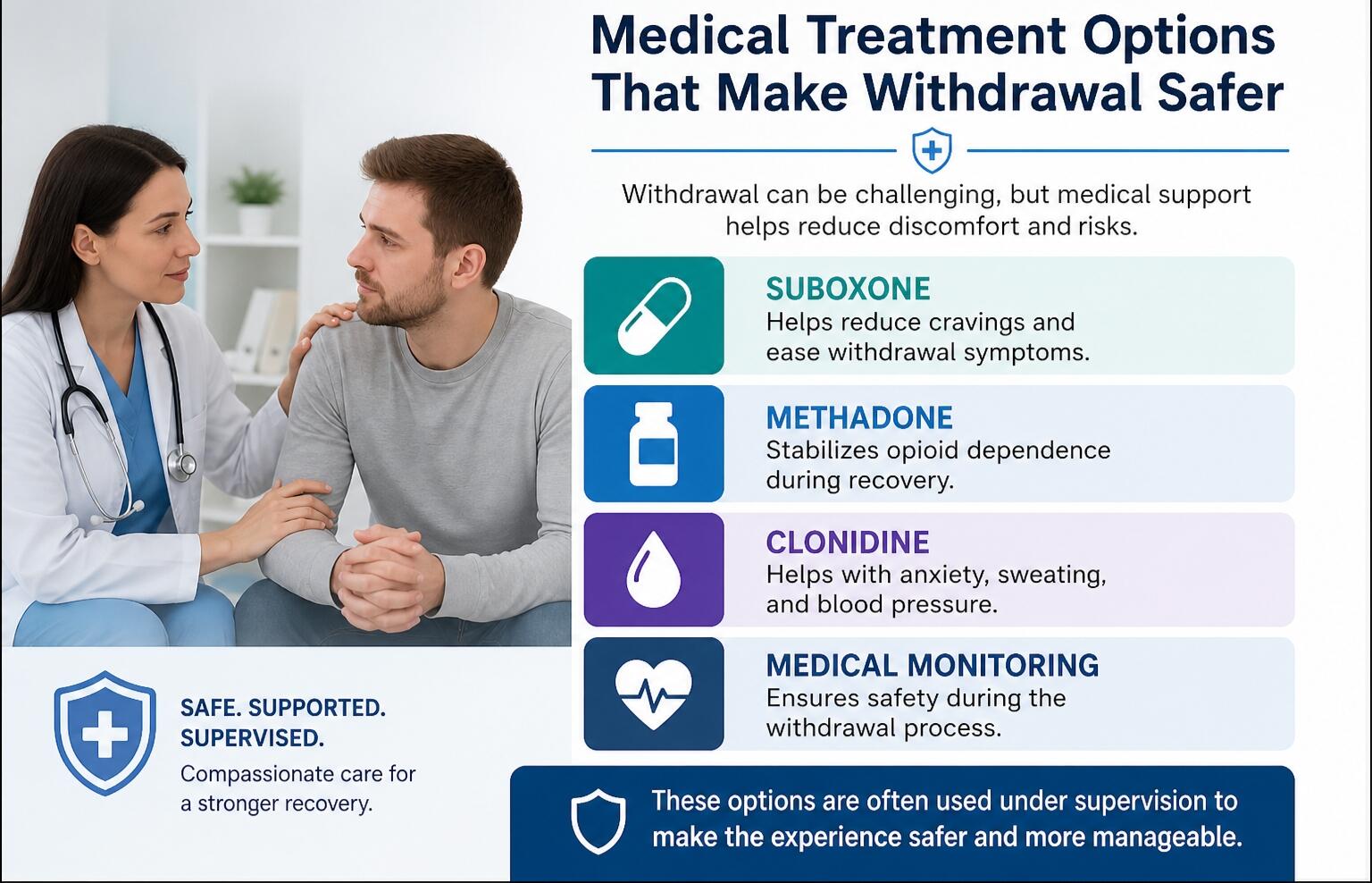
Withdrawal can be difficult, but medical support can help reduce discomfort and risks.
Common options used in fentanyl withdrawal treatment include:
- Suboxone
- Helps reduce cravings and ease withdrawal symptoms
- Methadone
- Stabilizes opioid dependence during recovery
- Clonidine
- Helps with anxiety, sweating, and blood pressure
- Medical monitoring
- Ensures safety during the withdrawal process
These options are often used under supervision to make the experience safer and more manageable.
Common Challenges During Fentanyl Withdrawal
Withdrawal can bring both physical and emotional challenges. Some of the most common include:
- Strong cravings that increase relapse risk
- Dehydration due to nausea or vomiting
- Emotional distress, such as anxiety or irritability
- Sleep disturbances
Understanding these challenges can help you prepare and seek the right kind of support.
Why Medical Detox Is Safer
Trying to stop fentanyl use without support can increase risks. A supervised environment can help manage symptoms and reduce complications.
Benefits of professional detox include:
- Safer management of withdrawal symptoms
- Access to medical support when needed
- Reduced risk of relapse during early recovery
- A structured environment for recovery
For those considering fentanyl detox in California, starting in a supervised environment can offer a safer and more stable start.
Conclusion
Fentanyl withdrawal can be intense, especially during the first few days, but it does not last forever. Understanding how long fentanyl withdrawal lasts can make the process feel more predictable and less uncertain. Each stage plays a role in helping the body adjust and move toward recovery.
Taking the first step toward recovery can feel difficult, but the right support can make the journey more stable and focused. If you or someone you care about is ready to begin, exploring care options at Pacific View Detox can be a strong starting point toward a safer and more supported recovery experience.
FAQs
1. How long does fentanyl withdrawal last?
It usually begins within 6 to 12 hours, peaks around day 2 or 3, and improves within a week, though some symptoms may last longer.
2. When do fentanyl withdrawal symptoms peak?
Symptoms are usually strongest between the first and third day after stopping use.
3. Can fentanyl withdrawal be dangerous?
While not always life-threatening, it can lead to dehydration, relapse, or complications without proper care.
4. What helps reduce withdrawal symptoms?
Medical support, hydration, rest, and medications can help manage symptoms more safely.
5. How long does post-acute withdrawal last?
PAWS can last for weeks or even months, depending on the individual and their history of use.